









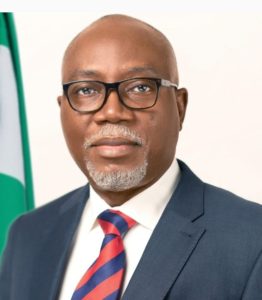
Segun Adesemoye
When President Bola Ahmed Tinubu announced the removal of fuel subsidy on 29 May 2023, he took one of the most difficult decisions in Nigeria’s recent history. Previous administrations had recognised the danger of the subsidy system, but none succeeded in ending it completely.
There is no denying that its removal brought serious hardship. Petrol prices rose sharply, transportation became more expensive, and the cost of food, goods and essential services increased. Workers saw their incomes lose value, small businesses struggled with higher operating costs, and many families were forced to reduce their daily needs.
These realities must not be ignored. Nigerians have made painful sacrifices, and supporting the policy should never mean denying their suffering.
However, the hardship does not make the old subsidy system sustainable or worthy of restoration.
A System Hijacked by Corruption
Fuel subsidy was introduced to make petrol affordable, but over the years, it became a channel for waste, fraud and corruption.
Nigeria reportedly paid subsidies on questionable volumes of petrol, including products that may never have reached the country. Inflated import claims, fraudulent payments and fuel smuggling created enormous wealth for a privileged few at the expense of millions of Nigerians.
Subsidised petrol was also smuggled across Nigeria’s borders and sold at higher prices in neighbouring countries. This meant Nigeria was borrowing money to subsidise fuel that was not entirely consumed by Nigerians.
According to the World Bank, petrol subsidy cost the country more than ₦8.6 trillion between 2019 and 2022. The institution also found that the poorest 40 per cent of Nigerians consumed only about three per cent of the subsidised petrol. The greatest benefits therefore went to wealthier consumers, smugglers and subsidy profiteers.
A programme presented as protection for the poor had become deeply unfair to the same people it was meant to help.
Why President Tinubu Deserves Commendation
Nigeria could not continue borrowing to maintain an artificial petrol price while hospitals lacked equipment, schools deteriorated, roads remained neglected and millions of young people struggled without meaningful employment.
President Tinubu deserves commendation for confronting a problem that had been postponed for too long. Leadership is not only about taking popular decisions. It sometimes requires the courage to take a necessary decision, even when its immediate consequences are painful.
The reform also creates an opportunity for investment in domestic refining. With the emergence of the Dangote Refinery and efforts to revive government-owned refineries, Nigeria can gradually reduce its dependence on imported petroleum products, conserve foreign exchange and build a more transparent petroleum industry.
The Government Must Fulfil Its Responsibility
Removing subsidy was necessary, but the savings must be transparently managed. Nigerians cannot continue to make sacrifices without seeing what those sacrifices are producing.
The funds should be invested in reliable electricity, affordable public transportation, healthcare, education, agriculture, job creation and direct support for vulnerable citizens. Increased allocations to state and local governments must also translate into visible improvements in people’s lives.
Government officials must reduce waste and unnecessary luxury. It is difficult to ask citizens to endure hardship while those in authority appear insulated from the consequences of the same reforms.
The government must also intensify efforts to reduce inflation, stabilise the economy and support small businesses. A good policy can lose public confidence when relief measures are delayed or poorly implemented.
Nigeria Must Not Return to the Past
Restoring the old subsidy system may provide temporary relief, but it would return Nigeria to heavy borrowing, fuel smuggling, fraudulent claims and massive pressure on public finances.
The answer to the present hardship is not to revive a corrupt and unsustainable arrangement. It is to improve the implementation of the reform, protect vulnerable Nigerians and ensure that the savings are honestly invested.
President Tinubu has shown courage by removing fuel subsidy. He must now ensure that the policy produces tangible benefits for ordinary citizens.
Fuel subsidy removal should not become an excuse for endless suffering. It must become the foundation of a more transparent, productive and self-reliant economy.
Nigeria must not return to the old subsidy regime. At the same time, the sacrifices of Nigerians must be recognised, rewarded and never taken for granted.
Segun Adesemoye is the President of the Yoruba Heritage Group.
He writes from Onajin street Ondo.




+ There are no comments
Add yours